
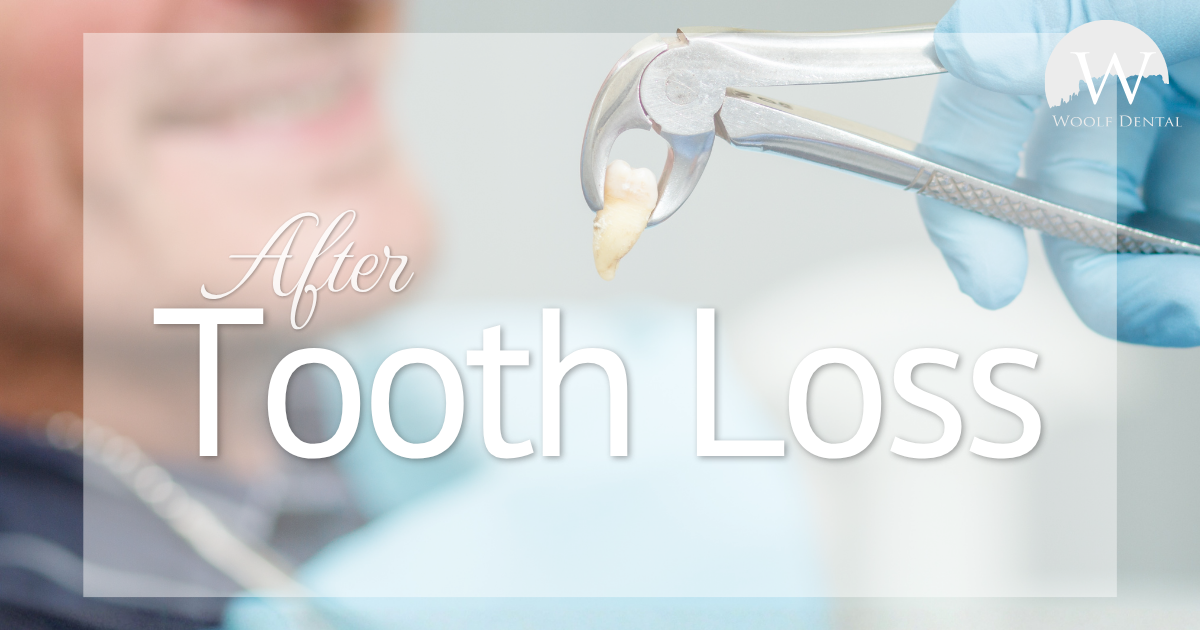
What Happens to Your Jawbone After You Lose a Tooth?
When you lose a tooth, the space in your smile is usually the most noticeable change. You may think about how it looks, whether it affects your chewing, or what you could do to replace it, but another change is happening that you can’t see. The bone that once surrounded and supported the tooth root begins to respond to the tooth no longer being there. Over time, that can affect the amount of bone available in that part of your jaw. Understanding this process is especially important if you are considering a dental implant, whether you want to replace the tooth soon or are simply exploring your options for the future.
Your Tooth Root Has an Important Job
We tend to think of a tooth as the part we see when we smile, but every natural tooth also has a root anchored in the jawbone. When you bite and chew, forces travel through the tooth root and into the surrounding bone. That regular stimulation helps the bone maintain itself.
Once a tooth is removed or lost, the root is no longer there to provide that stimulation. The body begins remodeling the bone in the area because it no longer needs to support the missing tooth in the same way. As a result, the ridge of bone where the tooth once sat can gradually lose height and width.
Why Does Bone Loss Matter?
You may never feel the bone changing. That is one reason it is easy to assume that an empty space can simply be dealt with whenever you are ready. If you eventually decide you would like a dental implant, the amount and quality of available bone become important parts of the conversation.
A dental implant is placed in the jawbone, where it acts as a foundation for the replacement tooth. It needs enough healthy bone around it to provide appropriate support. If significant bone loss has already occurred, additional preparation may be necessary before an implant can be placed.
Where Does Bone Grafting Fit In?
Bone grafting is one option for rebuilding or adding volume to areas of the jaw where there is not enough bone to support an implant. That does not mean everyone who loses a tooth will need a bone graft.
The condition of the jaw varies from person to person. How long the tooth has been missing, where it was located, why it was lost, and your individual anatomy all influence the amount of bone that remains. If grafting is recommended, the purpose is to create a stronger foundation where additional bone support is needed.
Why Timing Can Matter
There is no universal deadline for replacing a missing tooth, but timing can become part of implant planning because the jawbone does not simply stay exactly as it was on the day the tooth was lost. Bone changes can begin after tooth loss and continue over time.
That does not mean you have missed your opportunity for an implant if a tooth has been gone for years. Many people successfully explore tooth replacement long after losing a tooth. It simply means the treatment plan may look different depending on how the area has changed. Talking about your options earlier can give you a better understanding of what is happening beneath the surface and whether there are steps worth considering now.
Planning for the Smile You Want Later
Sometimes dental treatment is not only about solving today’s problem. It is also about keeping tomorrow’s options open. If a tooth needs to be removed, knowing whether you may want an implant in the future can be useful when planning your care. If a tooth has already been missing for some time, evaluating the bone can help determine what may be possible now.
At Woolf Dental, we believe treatment planning should start with a thorough evaluation and a clear conversation about your needs and goals. From there, we can explain your options and help you understand the steps involved.
Losing a tooth changes more than what you see in the mirror. Understanding what happens to the jawbone afterward can help you make informed decisions about replacing that tooth and protecting your oral health over the long term.
If you are missing a tooth or know that you may need an extraction, schedule an appointment with our office located in Mesa, AZ. We can evaluate the area, talk about your tooth replacement goals, and help you understand how bone health may factor into your treatment plan.